GLP-1 Tablets Are Here: Why Consistency Still Matters
For years, GLP-1 treatment in the UK has meant a weekly injection. That's changed. In June 2026, the UK's medicines regulator approved the country's first oral GLP-1 tablet for weight management — a daily pill, taken instead of a weekly pen.
It's a genuinely new option, especially for anyone who's been curious about GLP-1 treatment but wasn't keen on needles, or who simply wants something that fits more easily into a busy routine. But a new format doesn't change the thing that actually drives results over time: showing up for your routine, day after day.
Here's what's changed, how tablets differ from injections, and why the habits around your treatment matter just as much as the treatment itself.
What's changed: oral GLP-1 tablets in the UK
The approval covers semaglutide tablets — the same active ingredient found in the weekly Wegovy injection, now available in tablet form. It's a milestone moment for GLP-1 treatment in the UK, and one that's likely to bring a wave of new interest to the space.
The tablet is now available through various providers for anyone who's eligible and would prefer a daily pill to a weekly injection.
How tablets differ from injections
The active ingredient may be familiar, but the day-to-day experience of tablets and injections is quite different.
- Frequency. Injections are typically taken once a week. The tablet is taken once a day.
- How it's taken. With injections, you take your dose using a pen in either your thigh, stomach or upper arm. The tablet needs to be taken on an empty stomach, first thing, with a small amount of water — your prescriber and patient information leaflet will guide you on exact timing.
- What stays the same. However you take it, GLP-1 treatment still works best alongside the habits that support it — hydration, protein, movement, and paying attention to how your body responds.
Whichever route you're on (or considering), the specifics of dosing and timing are always best confirmed with your prescriber or pharmacist. This article is here to help you think about tracking your routine — not to give treatment instructions.
Why daily habits matter more, not less
A daily tablet adds a new touchpoint to your routine. That's not a downside — it's actually a chance to build the kind of steady rhythm that makes GLP-1 treatment, in any form, easier to stick with.
This is where BrightTrack comes in. Whether you're new to a daily tablet or years into weekly injections, the habits that support your journey look the same: staying hydrated, eating enough protein, moving a little most days, and noticing how your body responds along the way.
Consistency compounds. A quick check-in each day builds a far clearer picture than trying to remember how you felt three weeks ago — and for anyone juggling a full diary, that's the whole point. Small, steady actions beat an all-or-nothing approach every time.
How BrightTrack fits around your routine
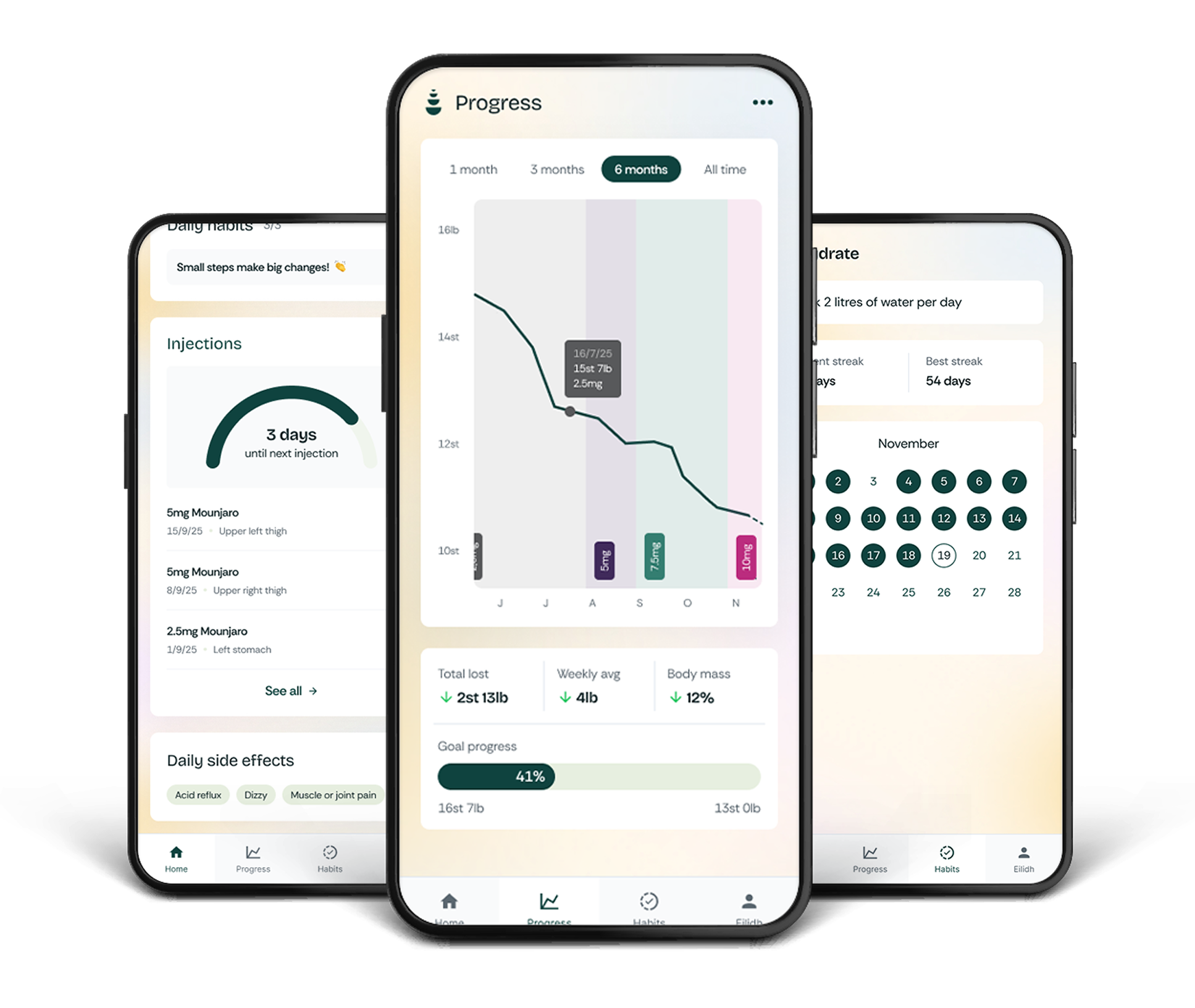
BrightTrack doesn't ask you to overhaul anything. It's built to sit quietly alongside whatever GLP-1 treatment you're on:
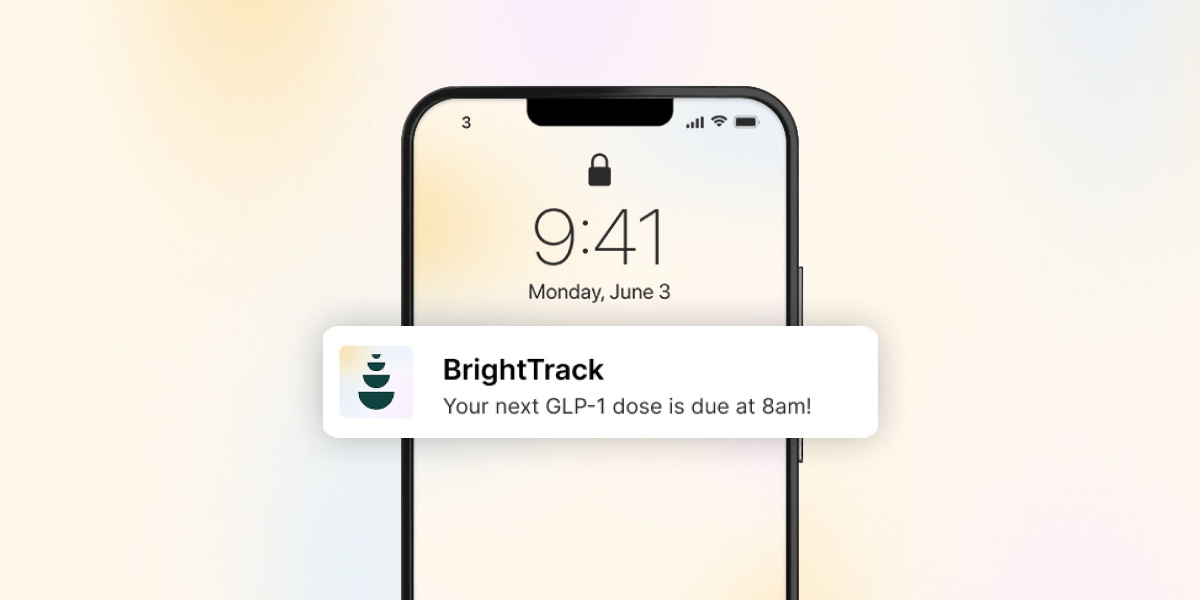
- Dose check-ins — log a tablet or an injection in seconds, and see your history in one place.
- Daily Rhythm — build the small habits (hydration, protein, movement) that support consistency, whatever form your treatment takes.
- Body check-ins — note how you're feeling, so patterns are easier to spot over time.
- Progress tracking — see your trend build steadily, without obsessing over any single day.
None of this changes with a tablet instead of an injection. The routine looks a little different; the value of tracking it stays exactly the same.
“BrightTrack helps you build momentum — one steady check-in at a time.”